

Quick links
> Home
12 Nov 2026 (Available)
Apply by: 29 Oct 2026
Housing and Healthy Neighbourhoods 12/11/26 UZVRTJ-15-M
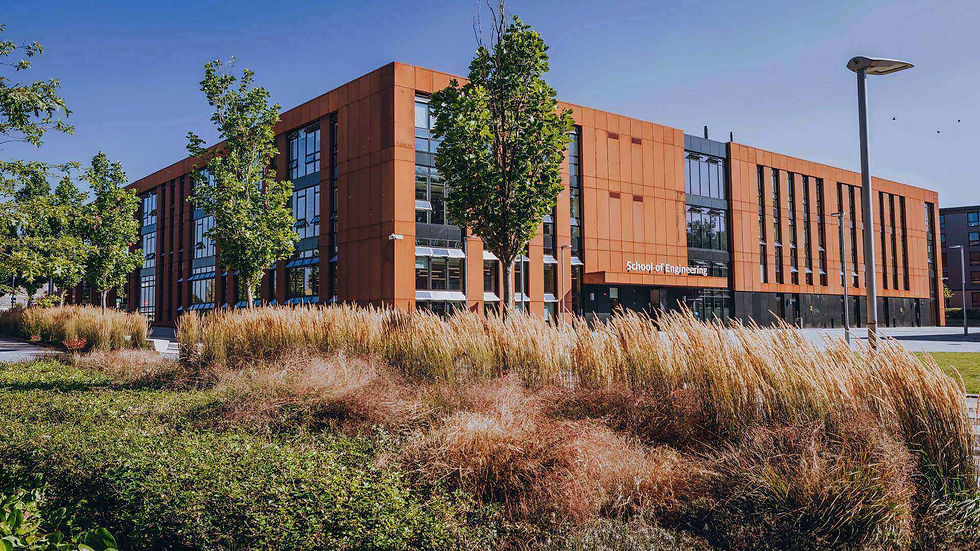
Frenchay Campus
Course overview
On successful completion of this 15 credit module, Housing and Healthy Neighbourhoods, you will be able to access, synthesise, critically analyse and apply knowledge and understanding of:
- Historical and contemporary forms of building construction and the diagnosis and remediation of housing defects of public health significance.
- A range of quantitative and qualitative data sources and policy documents pertaining to housing and health.
- Current evidence on the relationship between housing and health, with specific consideration of the physical, psychosocial and behavioural mechanisms which contribute to a range of health outcomes.
- Social inequalities and their influence on housing risk factors and health.
- The principles of risk assessment in characterising the health & safety risks associated with housing of various construction types and tenures.
- The legal mechanisms available to tackle poor housing conditions and mitigate risk.
- The socio-economic factors which can result in neighbourhood decline and the mechanisms available for area renewal or improvement in remedying housing, social and environmental problems.
Careers / Further study
This course can contribute towards:
- PGCert/PGDip/MSc Environmental Health
- MSc Environmental Health Studies
Extra information
If the course you are applying for is fully online or blended learning, please note that you are expected to provide your own headsets/microphones.
For further information
Email: pd@uwe.ac.uk
Telephone: +44 (0)117 32 81158
Content
The online course syllabus typically covers the following:
- The various forms of historical and contemporary building construction techniques; the diagnosis and remediation of common housing defects of public health significance.
- The relationship between housing and health: accepted and emerging evidence; social inequalities and their influence on housing risk factors and health; housing condition variance geographically and across tenures;
- Area deprivation and social exclusion: Causes of neighbourhood decline (social, economic, government policies); Indices of deprivation; review of the efficacy of government regeneration policies past and present; legal basis for neighbourhood renewal; partnership working and community involvement in renewal/regeneration activities.
- Application of risk assessment techniques in characterising the health and safety risks associated with housing of varying construction types, age, tenure and occupancy; utilisation of appropriate statutory guidance documents in quantifying risk; critical awareness of the uncertainties associated with risk assessment methodologies.
- Application of housing law in improving housing conditions: Knowledge and application of primary and secondary legislation; the utilisation of statutory guidance to inform and support decision making; statutory duties and powers; the efficacy of housing legislation in improving housing conditions and protecting public health.
- Consideration of the potential for elevated health and safety risks associated with multi-occupied housing in relation to matters such as fire, overcrowding and shared amenities; evaluation of the strategies and interventions available to eliminate/mitigate risk.
- Consideration of the features of sustainable housing and communities: Carbon emissions and contributions to climate change; energy efficient housing; land use planning; transport planning; healthy environments; flooding; water supply and demand.
Learning and Teaching
Teaching is delivered in the form of up to 10 campus lectures. Seminars, formative assessments and other forms of interactive activities will use tools quizzes and class room discussions and work based learning scenarios including practice based activities.
Essential, indicative and supplementary online learning materials and resources are also provided via with links to online library resources and key literature.
Study time
This module utilises a variety of learning methods such as asynchronous online activities (including lectures, reading, quizzes, videos) and synchronous tutorials (seminars/discussions).
Progress through the module is managed through time-dependent release of online resources to ensure structured progression through the learning materials and the synchronous activities promote development of the student-tutor relationship and encourage a cohort identity in addition to supporting core learning. Approximately 30 hours of directed study (e.g. online lectures, seminars, etc) are delivered via Blackboard.
Assessment
The assessment is a 30 minute pre-recorded presentation, the presentation should cover three core areas and it is suggested you spend 10 minutes on each area:
- an HHSRS risk assessment
- an evaluation of an housing intervention
- critical reflections of your learning on the housing module.
- Full details can be found in the module handbook and on the module's Blackboard site.
Accredited by

Why choose UWE Bristol?
UWE Bristol works closely with employers and industry partners, ensuring that course content reflects today’s challenges, emerging trends, and the skills that organisations are actively seeking.
Many courses are offered part-time, online, or in blended formats, making it easier to balance learning with work and personal commitments without compromising depth or quality.
Teaching staff often come from professional backgrounds, bringing practical insight, case studies, and hands-on expertise that help learners apply knowledge directly to their careers.
Learners benefit from career guidance, mentoring, and access to a vibrant network of professionals, alumni, and industry events that can open doors to new roles or progression.
UWE Bristol is known for its emphasis on practical skills, innovation, and employability, giving learners added confidence that their qualification will be respected and valuable in the workplace.

Course details
Downloads
Prerequisites
Course fees
£886.00
Supplementary fee information
Please visit full fee information to see the price brackets for our modules.
Funding may be available to support your learning. Please contact your Trust Education Lead. If you work in the Private, Independent and Voluntary Sector, please contact your employer who will advise you.
Make an enquiry
Make an enquiry