

Quick links
> Home
02 Oct 2026 (Available)
Apply by: 18 Sep 2026
Cellular Pathology and Oncology 02/10/2026 USSKBM-30-3
Frenchay
Attendance dates: 02 Oct 2026 (Module runs every Friday morn semester 1 & 2)
Course overview
Modules can be offered either individually or collectively if you have had your first degree evaluated by the IBMS and require further Top-up studies in order to complete the educational requirement for IBMS accreditation.
On successful completion of this level 7 (Masters level) Cellular Pathology and Oncology module, you will be able to:
- Employ good laboratory practice related to Cellular Pathology techniques.
- Understand the principles of tissue preparation for histology and the mechanism by which common staining methods work.
- Show an appreciation of the epidemiology and aetiology of cancer.
- Understand the key features of tumour cells, progression towards malignancy and the cellular and molecular biology underpinning malignant disease.
- Discuss the role of Cell Pathology in the diagnosis and prognosis of both neoplastic and non-neoplastic disease in the major organs and tissues.
- Critically discuss current methods for cancer screening, and the potential for development of existing and potential future screening programmes.
- Understand current therapeutic approaches and be able to discuss potential future avenues for therapy.
For an applicant looking to top-up an undergraduate degree to obtain an Institute of Biomedical Science (IBMS) or Health and Care Professions Council (HCPC) accreditation, please refer to the Biomedical Science module top-up for IBMS/HCPC accreditation for more information.
Careers / Further study
This module can contribute towards the PGCert Health and Social Care, MSc Clinical Practice, and the Professional Development Awards. If you have any queries, please contact us using the enquiry form below.
This course can contribute towards:
- BSc Biomedical Science
- BSc Healthcare Science (Life Sciences)
Content
The module syllabus typically includes the following:
Technical aspects of Cellular Pathology
- Preparative processes in Cellular Pathology; microscopy; the theory of stain action; immunocytochemistry; cytopathology; molecular techniques used and their application.
Principles of cancer biology
- The hallmarks of cancer; its genetic basis; oncogenes and tumour suppressor genes; cell signalling in tumours; tumour progression; invasion and metastasis; the role of cancer stem cells.
- Cancer screening; diagnosis; grading and staging; existing therapeutic strategies; potential future therapies.
Tissues and organs: Pathology and investigation
- A systematic overview of the structure and function of the major organs, their pathology, and associated neoplastic disease (To include: liver; lung; skin; prostate; reproductive system; gastrointestinal tract; the urinary/renal system; breast; bone; skin; pancreas; neuroendocrine system).
- Non-neoplastic disease of the major organs requiring cellular pathological investigation; systemic disease such as amyloidosis and renal disease.
- The role of cellular pathology in research; quantitation; quality control.
Learning and Teaching
Scheduled learning: The majority of the taught material will be delivered as lectures, complemented by tutorials and practical classes, but divided into discrete sections:
- The early part of the module will focus on the technical aspects of cellular pathology, this will include a practical class where technique will be put into practice and followed by a tutorial session to both review and reinforce learning, and provide guidance for a written assessment based on the laboratory work.
- The next section will focus on the cellular and molecular biology of cancer. This will be largely lecture-based and include a tutorial exercise on the grading and staging of cancer.
- The remainder of the module will focus on different organ systems each week, their pathology and cellular pathology approaches to disease investigation. This section will include two practical classes - one focussing on prostate pathology and amyloidosis, the second on the grading and staging of solid tumours.
- The final section will also include tutorials on current research frontiers, the use of immunocytochemistry in research, the use of molecular techniques in cellular pathology, and cancer screening programmes - where you may be given reading materials or case studies in advance and will be expected to actively participate in the session.
Independent learning
In addition to lectures, and practical sessions, you are expected to prepare for tutorial sessions by carrying out designated reading tasks. Furthermore, you are expected undertake further independent reading - with guidance given during lectures. This reading is designed to support your learning both for the completion of coursework, but also in preparation for the final exam to ensure both breadth and depth to their knowledge. The expected time dedicated to independent learning is 228 hours.
Study time
The contact hours (72) are distributed as follows:
- 51 hours of lectures
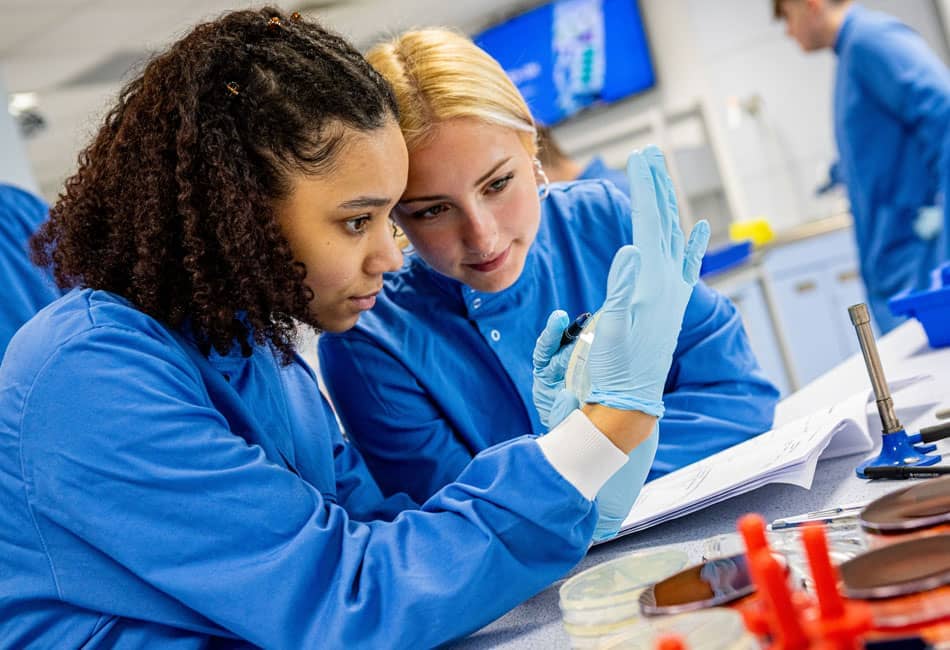
- 9 hours of practical classes
- 12 hours of tutorials/seminars (including 3 hours of revision sessions)
Module runs face-to-face on our Frenchay campus, Friday mornings 09:00 - 12:30 through semesters 1 and 2. Module start date for this academic year listed above.
In addition to the described contact time, this material will be supported through online learning material, including online quizzes and technology-enhanced lecture material. Independent learning: Using defined TEL strategies includes hours engaged with essential reading, assignment preparation and completion etc.
Assessment
The coursework based assessments will cover the broad curriculum via a laboratory based assessment and a personal research-based poster presentation (on a current topic relevant to pathology). The final summative assessment will be in the form of an end of module exam.
Coursework
You will be asked to write a report based on the stain theory practical class, but will be expected to demonstrate extensive further reading on both the technical and pathological aspects of the work. This will allow you to critically evaluate scientific literature and current clinical practice. The second coursework element will require you to produce a poster based on a piece of current research in either cancer biology or histopathology. You will be expected to provide an oral defence of this poster.
Exam
The final element is a three hour examination comprising of essay type questions. Allowing you to demonstrate both the breadth and depth of knowledge of the topics. In addition to these assessments, you will be given formative feedback in lectures and tutorials.
Accredited by

Why choose UWE Bristol?
UWE Bristol works closely with employers and industry partners, ensuring that course content reflects today’s challenges, emerging trends, and the skills that organisations are actively seeking.
Many courses are offered part-time, online, or in blended formats, making it easier to balance learning with work and personal commitments without compromising depth or quality.
Teaching staff often come from professional backgrounds, bringing practical insight, case studies, and hands-on expertise that help learners apply knowledge directly to their careers.
Learners benefit from career guidance, mentoring, and access to a vibrant network of professionals, alumni, and industry events that can open doors to new roles or progression.
UWE Bristol is known for its emphasis on practical skills, innovation, and employability, giving learners added confidence that their qualification will be respected and valuable in the workplace.
Course details
Course leader
Dr David Qualtrough
Course delivery
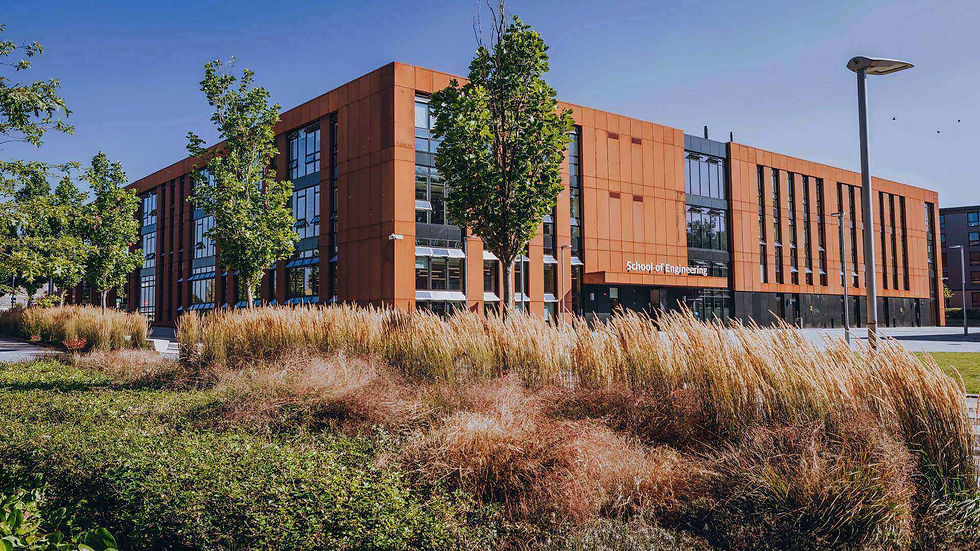
Module runs face-to-face on our Frenchay campus, Friday mornings 09:00 - 12:30 through semesters 1 and 2. Module start date for this academic year listed above.
Downloads
Prerequisites
If you are an international student please contact us prior to applying. You may need to supply further information, for example, evidence of English Language Proficiency or evidence of relevant qualification or experience.
Course fees
£2,448.00
26/27 international fee for this module is: £4,250
Make an enquiry
Make an enquiry