

Quick links
> Home
28 Sep 2026 (Intake closed)
Apply by: 14 Sep 2026
Haematology and Transfusion Science 28/09/2026 USSKBK-30-3
Frenchay
Attendance dates: 28 Sep 2026 (Module runs every Monday morn semester 1 & 2)
Course overview
Modules can be offered either individually or collectively if you have had your first degree evaluated by the IBMS and require further Top-up studies in order to complete the educational requirement for IBMS accreditation.
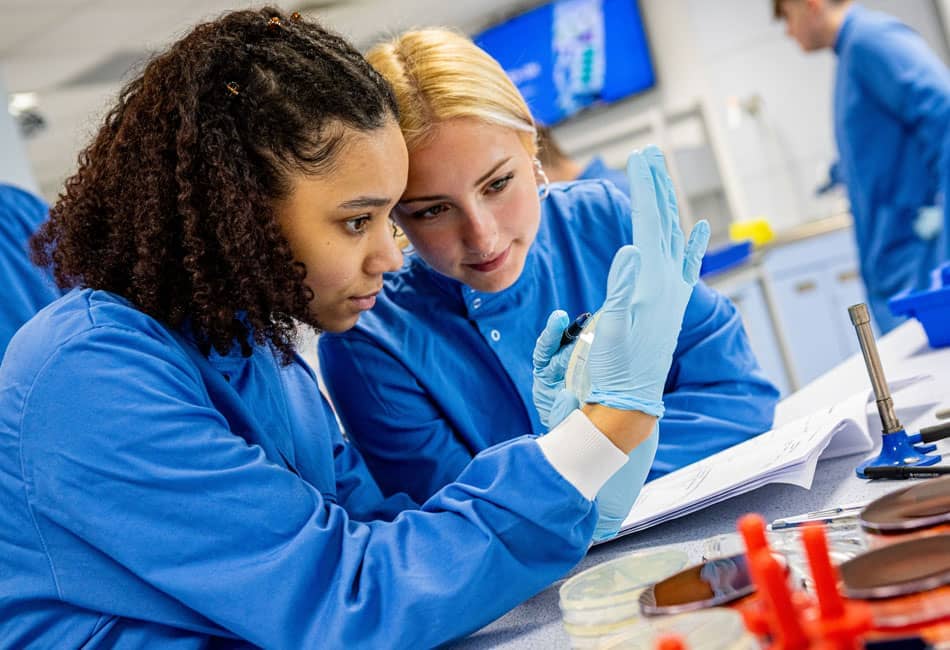
This 30 credit Haematology module is a core specialist module within the BSc Biomedical Science programme and so aims to deliver specialist knowledge through taught lectures, together with inductive tutorials, seminars and practical classes to enable application and problem-solving utilising this knowledge.
On successful completion of this level 6 (undergraduate level) module, you will be able to:
- critically discuss the processes involved in the maintenance of normal blood composition and function
- outline the nature and significance of investigative haematology and its role in the diagnostic process
- discuss critically the biological basis of selected haematological disease states
- demonstrate a detailed knowledge and understanding of the main areas of the module - haematological malignancies, haemostatic disorders, red cell disorders and blood transfusion
- interpret parameters that characterise selected disease states
- critically appraise relevant scientific literature.
For an applicant looking to top-up an undergraduate degree to obtain an Institute of Biomedical Science (IBMS) or Health and Care Professions Council (HCPC) accreditation, please refer to the Biomedical Science module top-up for IBMS/HCPC accreditation for more information.
Careers / Further study
This module can contribute towards the PGCert Health and Social Care, MSc Clinical Practice, and the Professional Development Awards. If you have any queries, please contact the Professional Development team using the enquiry form below.
This module contributes towards:
- BSc(Hons) Biomedical Science
- MSc Biomedical Science
- BSc(Hons) Biomedical Science with Foundation year
- MSc Biomedical Science with Foundation year.
Content
Physical and chemical requirements for optimal haematopoiesis throughout life
- Content of the blood and bone marrow.
- Reference values.
- Ontogeny and sites of haematopoiesis.
- Regulation of haematopoiesis.
- Nutritional requirements.
The anaemias
- Classification systems.
- Megaloblastic anaemias.
- Iron deficiency and related anaemias.
- Normal erythrocyte structure and function.
- Red cell survival disorders.
- Haemoglobinopathies and the thalassaemia syndromes.
- Red cell enzymopathies.
Haematological malignancy
- Aetiology and the multi-hit hypothesis.
- Classification.
- Principles of investigation and diagnostic criteria.
- Pathophysiology.
- Theoretical basis of cytotoxic chemotherapy and stem cell transplantation.
Haemostasis
- Structure and contribution to haemostatic function of blood vessels, platelets, coagulation proteins and fibrinolytic proteins.
- Functional inter-relationships between the vascular, platelet, coagulation and fibrinolytic systems.
- Naturally occurring inhibitors of coagulation and fibrinolysis.
- Haemorrhagic conditions.
- The hypercoagulable state.
Blood donation
- Principles of the selection, collection, separation, storage and transportation of donated blood components for transfusion.
- The bacteriology, virology and parasitology of diseases which can be transmitted by transfusion.
Blood groups
- The major blood polymorphism's e.g. ABO, Rh, and selected other blood group systems.
- Blood group structure, function and relevance to transfusion.
Compatibility of blood
- In vitro antibody-antigen reactions for the selection of compatible blood.
- Optimisation of detection techniques for in vitro antibody-antigen reactions.
Immunohaematology
- Laboratory investigation of serological reactions to aid diagnosis of immunohaemolytic disease and immunological transfusion reactions.
- Strategies for the prophylaxis of immunohaemolytic disease.
Transfusion therapy
- The appropriate use of blood components.
- Hypersensitivity responses to transfusion.
Learning and Teaching
Scheduled learning includes lectures, seminars and tutorials. Independent learning includes hours engaged with essential reading, case study preparation, online activities, assignment preparation and completion etc
Study time
The 72 contact hours are distributed as follows:
- 48 hours of lectures
- 24 hours of tutorials/seminars
Module runs face-to-face on our Frenchay campus, Monday mornings 09:00 - 12:30 through semesters 1 and 2. Module start date for this academic year listed above.
Assessment
- A case study, enabling you to research and critically analyse current literature, as well as interpreting data. Both formative and summative feedback will be given during, and following completion of the assignment.
- A 2 hour examination comprising a mixture of question styles.
Formative feedback is available throughout the module using Q+A sessions in lectures, group discussions, particularly in tutorials/seminars/practical, together with use of multiple choice questions throughout taught sessions to enable students to gain an indication of their progress anonymously.
Accredited by

Why choose UWE Bristol?
UWE Bristol works closely with employers and industry partners, ensuring that course content reflects today’s challenges, emerging trends, and the skills that organisations are actively seeking.
Many courses are offered part-time, online, or in blended formats, making it easier to balance learning with work and personal commitments without compromising depth or quality.
Teaching staff often come from professional backgrounds, bringing practical insight, case studies, and hands-on expertise that help learners apply knowledge directly to their careers.
Learners benefit from career guidance, mentoring, and access to a vibrant network of professionals, alumni, and industry events that can open doors to new roles or progression.
UWE Bristol is known for its emphasis on practical skills, innovation, and employability, giving learners added confidence that their qualification will be respected and valuable in the workplace.
Course details
Course leader
Dr Chris Moore
Course delivery
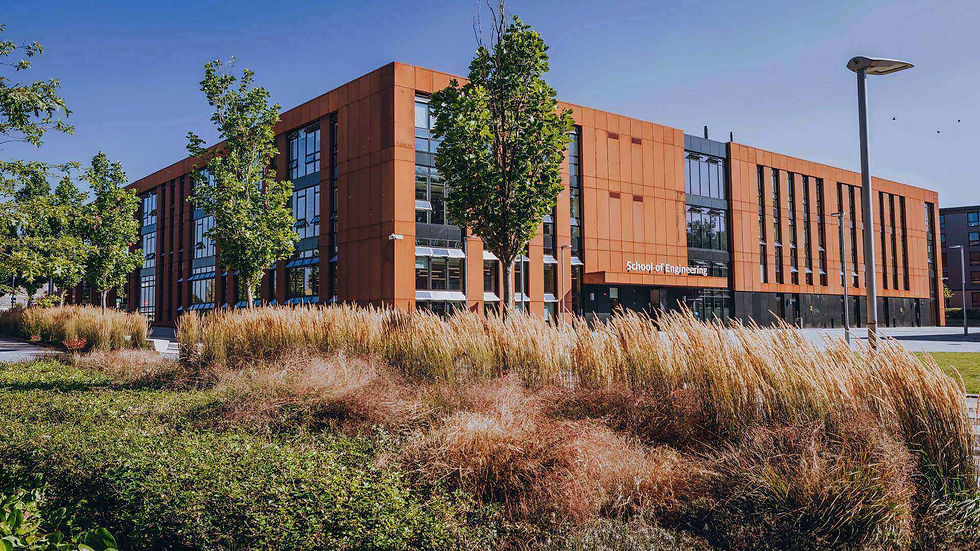
Module runs face-to-face on our Frenchay campus, Monday mornings 09:00 - 12:30 through semesters 1 and 2. Module start date for this academic year listed above.
Downloads
Prerequisites
If you are an international student please contact us prior to applying. You may need to supply further information, for example, evidence of English Language Proficiency or evidence of relevant qualification or experience.
Course fees
£2,448.00
26/27 international fee for this module is: £4,250
Make an enquiry
Make an enquiry